Beyond the Years
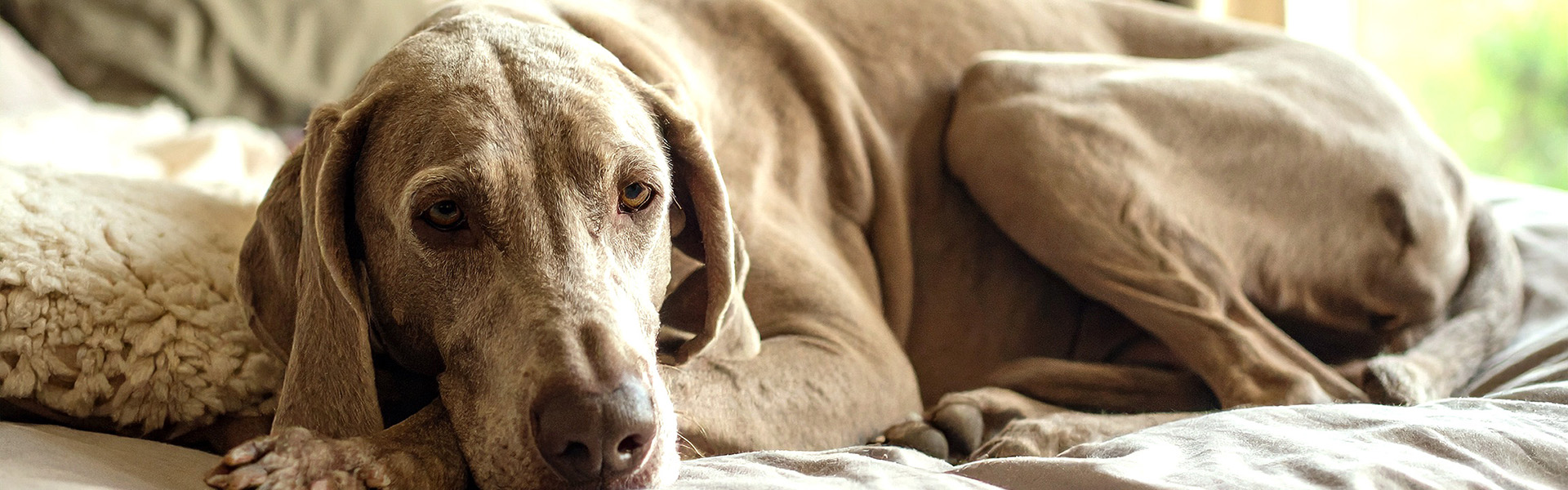
As our beloved canine companions transition into their senior years, typically around age seven, their world begins to subtly shift. The once boundless energy might mellow, a familiar bark might become a little less frequent, and those keen senses might not be quite as sharp. These changes are a natural part of aging, but they also signal a profound need for a more thoughtful, integrated approach to their care. At The Traveling Dog Sitter, we understand that your senior dog isn’t just “getting old”; they’re entering a new, precious stage of life—their golden years. And these years deserve to be filled with comfort, dignity, and profound joy. This isn’t about merely managing symptoms; it’s about embracing a holistic philosophy that recognizes your dog’s physical, mental, and emotional health as deeply interconnected elements. It’s about creating a synergistic effect where every aspect of their care works together to help them flourish. You might have noticed subtle changes: a slight slowing down on walks, a moment of confusion in a familiar room, or perhaps a new hesitation before jumping onto the couch. These aren’t just signs of “old age”; they are often early whispers of evolving needs. Our goal is to help you hear those whispers, understand their significance, and partner with your veterinarian to proactively address them, ensuring your senior dog lives their best life, every single day. Let’s explore a comprehensive blueprint for holistic senior dog care, moving beyond isolated symptoms to understand their entire health landscape.
The Foundation of Vitality: Tailored Nutrition for the Aging Palate
Just like us, a senior dog’s nutritional needs evolve significantly. Their metabolism often slows, and their activity levels typically decrease, making them susceptible to weight gain. However, it’s not a one-size-fits-all approach. Very old dogs, for instance, might actually need more calories and protein if they start to lose weight. This is why a generic “senior diet” often falls short; what’s needed is a personalized senior nutrition plan, crafted in close consultation with your veterinarian.
- Calorie Control, Not Restriction: While a modest calorie reduction can slow age-related changes and extend lifespan, it’s crucial to monitor their body condition. Regular weight checks are indispensable.
- High-Quality Protein is Paramount: Forget the outdated myth that high protein harms older kidneys (unless kidney function is already compromised). Senior dogs need high-quality protein to maintain lean muscle mass, which is vital for strength and organ function.
- Essential Fats and Minerals: A balanced diet should meticulously include appropriate levels of fat, phosphorus, and sodium. Omega-3 fatty acids (EPA/DHA) are particularly beneficial for joint health due to their anti-inflammatory properties and also support brain function.
- The Power of Portion Feeding: Move away from free-feeding. Commercial food labels often overestimate caloric needs. Your vet can provide precise portion recommendations, which can be divided into smaller, more frequent meals to aid digestion and prevent overeating.
- Hydration: The Unsung Hero: Senior dogs face a heightened risk of dehydration, sometimes simply “forgetting to drink” due to early cognitive changes. Always provide fresh, clean water, monitor their intake, and consider adding canned food or ice cubes to boost hydration.
- Smart Snacking: Many commercial treats are high in calories. Opt for low-calorie options or water-based vegetables like green beans, carrots, or cucumbers. Always discuss treats with your vet to ensure they align with your dog’s overall diet. Remember, there’s no universal “senior diet.” Your veterinarian is your indispensable partner in creating an individualized nutrition plan tailored to your dog’s unique health status.
Movement and Mindfulness: Adapting Exercise and Mental Engagement
Maintaining physical activity and mental sharpness is crucial for senior dogs, but these activities must be carefully adapted to their changing capabilities.
Gentle Movement is Key:
- Walking: Remain an excellent low-impact exercise. Stick to soft surfaces like grass or sand to reduce joint impact. Start with short walks and gradually increase duration, allowing your dog to set the pace.
- Swimming and Hydrotherapy: These are particularly effective as water reduces weight-bearing stress on joints, allowing for exercise with less discomfort. Many clinics offer hydrotherapy with underwater treadmills.
- Stretching and Range-of-Motion: Work with your vet or a certified canine rehabilitation specialist to design a safe routine. These practices improve flexibility, reduce injury risk, and alleviate stiffness.
Keeping Minds Engaged: Even if physical activity slows, mental stimulation is profoundly important for cognitive health.
- Puzzle Toys: Engage their problem-solving skills to earn treats.
- Scent Games: Snuffle mats and scavenger hunts tap into their powerful sense of smell, providing enrichment with low physical impact.
- Adapted Training: The saying “You can’t teach an old dog new tricks” is often wrong! Teaching new commands or revisiting old ones with adaptations can stimulate their mind and reinforce your bond.
- Interactive Options: Consider professional paw buttons that allow them to “speak” their desires, or even specialized TV channels for pets.
Safety First During Exercise:
- Warm-up and Cool-down: Just like humans, senior dogs need a few minutes of gentle walking before and after more active play.
- Monitor for Pain: Be vigilant for limping, whining, or reluctance to move. Stop activity immediately if discomfort is observed and consult your vet.
- *Adjust Intensity: On less energetic days, reduce intensity or duration.
- Supportive Gear: Supportive harnesses and specialized shoes can help distribute weight and provide traction.
- Environmental Choices: Opt for soft surfaces like carpet or grass for play, and avoid hazards like stairs or slippery floors during unsupervised time. Observing your senior dog during these activities is a continuous diagnostic tool. A reluctance to walk or difficulty with stairs isn’t just “old age”; it’s a signal for a veterinary assessment. Documenting these changes provides crucial information for earlier diagnosis and intervention.
Sanctuary at Home: Environmental Adaptations for Comfort and Safety
As mobility and senses decline, adapting the home environment is crucial for your senior dog’s safety, accessibility, and dignity. Multiple small, thoughtful changes create a significantly safer and more comfortable space.
Mobility Aids:
- Ramps and Pet Stairs: Superior alternatives to stairs for dogs with declining mobility. Choose ramps with gentle slopes and non-slip surfaces, and stairs with deep steps and anti-skid treads.
- Dog Gates: Block access to stairs for dogs with serious mobility issues or cognitive disorientation to prevent dangerous falls.
- Dog Strollers: Allow older dogs to continue enjoying walks without physical exertion.
- Specialized Harnesses and Wheelchairs: Supportive harnesses alleviate strain, and custom-fitted wheelchairs can provide invaluable support for severely limited mobility.
Flooring Solutions: Hardwood and tile floors are slippery hazards.
- Non-slip Rugs and Mats: Lay down rugs with non-slip pads in high-traffic areas. Yoga mats or rubber-backed runners work well.
- Adhesive Traction Aids: Apply traction strips or anti-slip coatings to smooth flooring.
- Paw Traction Aids: Dog boots with traction, paw wax, or grippy socks can greatly enhance their natural grip.
- Paw Health Maintenance: Regularly trim nails and excess fur around paw pads, and keep pads moisturized to improve footing.
Comfortable Resting Places:
- Orthopedic Beds: Invest in beds made of thick, solid polyurethane or memory foam. Memory foam molds to their body, distributing weight evenly and providing superior support for achy joints. Look for features like plush covers, heating pads, and machine-washable materials.
Adapting for Sensory Changes:
- Vision Loss: Maintain consistent furniture arrangement, use tactile cues (different rug textures), add night lights near common paths, and use scented/sound-making toys.
- **Hearing Loss: **Use visual cues and hand signals for commands. Stomp your feet to create vibrations when approaching them. Always keep deaf dogs on a leash or in securely fenced areas outdoors. Provide tactile and visually stimulating toys.
Cognitive Support in the Environment: For dogs with Canine Cognitive Dysfunction (CCD), consistent routines are vital. Night lights, potty pads near doors, and maintaining clear walkways are essential. A calm environment with soft lighting and calming music can also reduce overstimulation.
These adaptations are an external support system for internal changes, preventing accidents, reducing anxiety, and maintaining your senior dog’s dignity and independence.
The Proactive Partnership: Vigilant Veterinary Care
Proactive health management is critical for senior dogs, as they are more susceptible to a range of age-related ailments. Early detection and intervention are key to maintaining their quality of life.
- Semi-Annual Veterinary Exams: Senior and geriatric pets should ideally be seen at least twice a year. This increased frequency is crucial because diseases can progress rapidly in pets.
- Early Detection is Paramount: Many common age-related diseases (kidney, liver, heart, dental, arthritis, diabetes, cancer) can be treated or managed effectively with early diagnosis. Pets instinctively hide signs of illness, making professional intervention vital.
- Preventive Testing: Regular lab tests (blood count, chemistry panel, urinalysis, infectious disease screening) are crucial for identifying conditions not apparent during a physical exam.
- Patient Trending: Veterinarians can track subtle changes in test results over time, allowing for earlier intervention before symptoms become obvious. This proactive approach significantly improves longevity.
- Comprehensive Exam: Includes assessing body condition, coat, skin, eyes, ears, nose, dental health, internal organs, and mobility.
- Open Discussion: These visits are your opportunity to discuss any concerns – changes in diet, exercise, thirst, elimination, behavior, or medications.
- Dental Health: Dental disease is a pervasive threat to comfort and overall health, especially for older pets, and is always an integral part of senior screenings. The insidious, often silent, onset of age-related conditions is a significant challenge. Caregivers might attribute early signs to “just old age,” delaying critical intervention. Regular check-ups aim to catch these subtle changes before they become symptomatic.
Managing Arthritis: A painful, progressive degenerative joint disease.
- Symptoms: Stiffness after resting, slowing down, hesitation with stairs/jumping, lameness, changes in gait, excessive licking of joints.
- Diagnosis: Detailed history, physical exam, X-rays, CT scans, blood/urine tests.
- Management: Weight management, specific diets, supplements (glucosamine, chondroitin, high-dose omega-3s), NSAIDs (vet-prescribed only!), tailored low-impact exercise (swimming, gentle walks), and complementary therapies.
Addressing Vision Loss: Common, but can be a symptom of treatable conditions.
- Symptoms: Confusion, dazed appearance, easily startled, eye irritation, bumping into objects, cloudy eyes, unwillingness to use stairs.
- Common Causes: Glaucoma (painful eye pressure), cataracts (cloudy lens, often linked to diabetes), Progressive Retinal Atrophy (PRA), Sudden Acquired Retinal Degeneration Syndrome (SARDS).
- Management: Immediate vet consultation for any signs. Treatments depend on cause (medications, surgery). Adaptation strategies include maintaining consistency in home layout, using sensory cues, and providing interactive toys.
Navigating Hearing Loss: Ranges from partial to complete deafness.
- Symptoms: Lack of response to sounds, difficulty rousing, confusion about sound source, excessive barking, less ear movement.
- Common Causes: Infections, drug toxicity, natural aging, physical damage.
- Management: Treat underlying causes if possible. For irreversible deafness, adapt communication with visual cues/hand signals, use vibrations (stomping feet), and ensure safety outdoors (leash, fenced areas).
Understanding Canine Cognitive Dysfunction (CCD): “Doggy dementia” is common in geriatric dogs, often underdiagnosed.
- Symptoms (DISHAA): Disorientation, altered interactions, sleep-wake cycle disturbances (night waking/pacing), housetraining accidents, altered activity levels, increased anxiety.
- Diagnosis: Caregiver history is crucial, along with ruling out other medical conditions.
- Management: No cure, but management strategies improve quality of life. Environmental management (consistent routine, night lights), dietary support (specialized foods rich in antioxidants), supplements (omega fatty acids, melatonin, SAM-e), and medication (Anipryl, anti-anxiety meds). Higher physical activity is linked to lower severity. These age-related ailments are rarely isolated; they often form a complex web. Diabetes can lead to cataracts, kidney disease can exacerbate hypertension, and inflammation is central to CCD. This interconnectedness underscores the need for a comprehensive diagnostic approach, where your vet looks beyond isolated symptoms.
Extending Comfort: Specialized Support and Complementary Therapies
Beyond direct medical care and home adaptations, specialized support services and complementary therapies offer additional avenues to enhance your senior dog’s well-being.
Specialized Pet Sitting and Daycare: These services are a vital extension of home care, replicating and enhancing routines, nutrition, and mobility support, especially when you’re away.
- Socialization: Safe interaction with other dogs and people.
- Mental Stimulation: Tailored activities to prevent cognitive decline.
- Light Exercise: Supervised routines adapted to their abilities.
- Routine and Structure: Predictable schedules reduce anxiety.
- Vigilant Supervision: Trained staff monitor health, administer meds, and provide comfort.
- Avoiding Isolation: Companionship prevents loneliness.
- Mobility Support: Ramps, cushioned flooring, and even rehabilitation services.
- Nutritional Monitoring: Ensuring correct diet and hydration.
- Peace of Mind for Owners: Allows you to focus on your responsibilities or travel without worry. These services are not just “babysitting”; they actively replicate and extend critical aspects of holistic home care, allowing you to sustain your own well-being as a long-term caregiver.
Complementary Therapies: Offer additional avenues for pain management, anxiety reduction, and overall well-being. Always discuss these with your veterinarian.
- Acupuncture: Stimulates healing, provides pain relief (arthritis, hip dysplasia), improves mobility, and reduces stress.
- Massage: Relieves soreness, increases circulation, reduces anxiety, and improves flexibility. Basic techniques can often be learned by owners.
- Chiropractic Care (VSMT): Addresses spinal misalignments to restore neurological signals, improving mobility, circulation, and overall health. Must be performed by a licensed, certified professional.
- Aromatherapy: Uses essential oils for pain relief, anxiety reduction, and anti-inflammatory effects. Always dilute and use pet-safe oils with proper diffusion.
- Flower Essences: Traditionally used to balance emotions and relieve stress/anxiety. Evidence is mostly anecdotal.
- CBD Oil: Interacts with the endocannabinoid system to alleviate anxiety, manage pain, and support neurological health. Start with low doses and consult your vet. Hydrotherapy: (already mentioned under exercise) Excellent for low-impact exercise and pain relief. Photobiomodulation (Laser Therapy): Uses light to reduce inflammation and enhance healing. Therapeutic Pulsed Electromagnetic Field Therapy (tPEMF): Reduces inflammation and improves tissue healing.
Cherishing Every Moment: Your Partnership in Their Golden Years
The journey of caring for a senior dog is a profound privilege. While this blueprint provides a comprehensive framework, remember that every senior dog is a unique individual with distinct needs. Your veterinarian is your primary and indispensable partner in tailoring these recommendations into an individualized care plan. Regular, open, and detailed communication with your veterinary team is the cornerstone for successfully navigating the complexities of the aging process. By embracing this thoughtful, proactive, and holistic partnership in care, you can ensure your senior dogs live out their golden years with the utmost dignity, comfort, and profound joy, truly cherishing every moment of this special life stage. And when you need a trusted partner to seamlessly continue this elevated care in your absence, The Traveling Dog Sitter is here to ensure their golden years remain truly golden.
Book a Free Consultation