The Quiet Leader
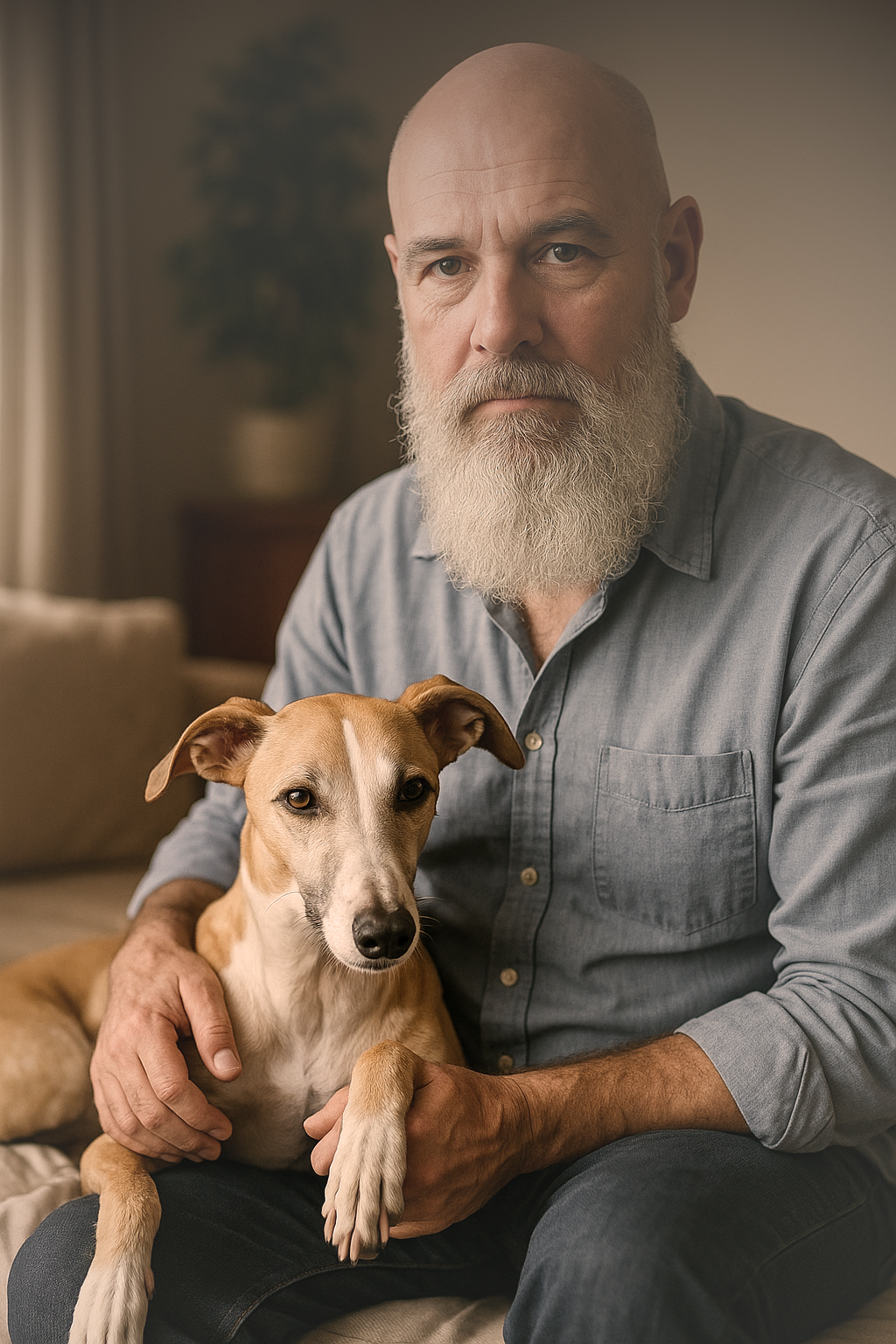
Some dogs follow commands. Others follow energy. But nearly all dogs—regardless of breed, background, or temperament—thrive when in the presence of calm, confident leadership. It’s not about dominance. It’s not about alpha packs or barking orders. It’s about presence. Quiet leadership. The kind that makes a dog’s nervous system settle, their eyes soften, their breathing slow. And if you’ve ever watched a high-energy dog melt beside a grounded human, you know exactly what I mean. This isn’t just pet-sitter wisdom—it’s biology, it’s psychology, and it’s one of the most overlooked tools in modern dog care.
Dogs Aren’t Looking for Control—They’re Looking for Safety
Let’s bust a myth: dogs don’t crave being “in charge.” What they crave is predictability. Safety. Boundaries that make sense. And they look to us to provide that—whether we’re their lifelong family or their sitter for the week. Inconsistent energy, anxious tones, over-excitement, or erratic behavior from humans? That’s confusing to dogs. It makes them alert, reactive, or unsure of what to do next. And just like kids, when they’re unsure of the rules, they often act out. On the other hand, a human who moves slowly, speaks clearly, and sets gentle expectations? That’s magnetic. Dogs trust that energy. They follow it. This is why some of the most “well-behaved” dogs aren’t the most trained—they’re just bonded to someone who leads with grounded energy. They know what to expect. And that changes everything.
Calm Is Contagious: The Science Behind Emotional Co-Regulation
This isn’t just woo. There’s a neurological reason dogs mirror our emotional state. Humans and dogs co-evolved. We share similar emotional processing centers in the brain, and dogs are masters of reading facial expressions, tone, and even scent-based hormone shifts. When we are calm, we produce fewer stress hormones (like cortisol) and more bonding hormones (like oxytocin). Dogs smell that. They feel that. And they respond to it. This is called emotional co-regulation. When a dog is around a calm person, their parasympathetic nervous system (the one responsible for rest and relaxation) activates. Heart rate slows. Muscles relax. Behavior shifts. So yes—your energy really does change your dog’s behavior. Not metaphorically. Literally. And this isn’t just useful during stressful moments. It shapes the entire baseline of your relationship. When a dog trusts that you are calm and consistent, their internal world becomes calmer, too. They stop waiting for the next disruption. They rest more deeply. They follow more willingly. They feel safe.
What Quiet Leadership Looks Like in Real Life
You don’t need to be a dog trainer to lead well. In fact, some of the best dog handlers I’ve met have never studied behavior academically—but they move with intention, and dogs follow them without hesitation. Here’s what quiet leadership looks like in daily life:
- You pause before entering a space, letting the dog see your calm before following.
- You speak in low tones, using fewer words but more presence.
- You don’t get rattled by barking, leash pulling, or small scuffles—you redirect smoothly and keep going.
- You read the room (or yard, or dog park) before the dog even reacts.
- You make decisions before the dog needs to—where to walk, when to rest, how to greet another dog.
- You don’t fill silence with noise. You let your stillness do the talking. Quiet leaders don’t wait for chaos. They shape the moment before it escalates. And dogs notice. This is especially true in new environments. Dogs will scan you to see how they should feel about a space. Your calm communicates: “This is safe.” And that message becomes the foundation for everything else.
The Energy Transfer: Dogs Feel You Before You Act
Dogs are master observers. They notice your shoulders before they notice your leash. They read your breath before your hands. They see the microexpressions on your face long before you say, “Ready for a walk?” If you’re agitated? They’re bracing. If you’re clear and present? They’re relaxed. This is why I always say: leash energy is real. Whatever you’re carrying, the dog carries too. So if your mind is scattered, if you’re rushing, if you’re checking your phone and barely aware of your surroundings—that’s the energy you’re walking the dog with. And they feel it. It’s why some dogs seem to “act up” with certain people. It’s not the walk. It’s the walker. The more present and grounded you are, the more secure the dog becomes. This doesn’t mean you have to be perfect. It means you have to be honest. Real calm, not performative calm, is what dogs trust.
The Difference This Makes in Transitional Dogs
Dogs in transition—whether newly adopted, recovering from trauma, or staying with a sitter—need calm leadership more than most. They don’t know the rules. They don’t know the schedule. They might not even know where they are. When I enter a home as a sitter, I don’t barrel in with treats and squeaky voices. I enter with awareness. I let the dog set the pace of the introduction. I observe. I match their energy at first, then invite them to match mine. And the moment they mirror back that calm? That’s when I know we’re connected. I once cared for a rescue dog who hadn’t slept through the night in weeks. Hypervigilant. Anxious. The first evening, I dimmed the lights, moved slower, breathed deeper—not for performance, but to create a container. And by night three, that dog was asleep on the couch before I finished my tea. That’s not magic. That’s leadership.
Why Over-Excitement Isn’t the Same as Love
There’s a difference between affection and overstimulation. Many well-meaning dog lovers equate excitement with happiness. But high-energy greetings, constant stimulation, and hyperactive praise can actually dysregulate sensitive dogs. Calm connection is a deeper form of love. It’s sustainable. It teaches safety. Dogs who are constantly on edge—even in positive ways—are less able to rest, learn, or regulate. The nervous system needs breaks. And leadership provides those. That’s why I always tell clients: don’t just praise your dog when they’re hyper. Praise them when they’re grounded. Reinforce peace, not just play.
Tips for Cultivating Quiet Leadership at Home
Want to build this skill? You don’t need to be a monk or a behaviorist. You just need to practice presence:
- Slow your movements. Pause between tasks. Let your transitions signal calm.
- Lower your voice. A soft cue is often more effective than a shout.
- Hold boundaries gently. Don’t yell “off the couch.” Invite them to come sit beside you instead.
- Notice before reacting. Watch your dog. See how they’re feeling before you jump into correction.
- Take a breath before the leash. Regulate yourself before you step out the door.
- Celebrate calm. Reinforce the behavior you want, especially quiet attentiveness.
- Be consistent. Leadership doesn’t mean perfection, but it thrives on predictability. Over time, this becomes second nature. Your dog will start to read your cues. They’ll look to you not just for commands, but for emotional context. And that’s where the real connection begins.
Final Thoughts: Leadership That Dogs Trust
True leadership—at least in the dog world—isn’t loud. It’s not dominating. It doesn’t push. It invites. It observes. It guides. When a dog meets someone who leads with steady energy, they feel it instantly. Their body shifts. Their guard drops. And they begin to follow—not because they have to, but because they want to. That’s the kind of leadership that changes behavior. Builds trust. Creates safety. And it’s the kind of leadership I bring to every home I enter. Because at the end of the day, dogs don’t need someone to control them. They need someone to show up. Calm. Confident. Consistent. That’s the real leash they follow. And when they do? Everything else falls into place: the bond deepens, anxiety fades, and communication flows without a word. That’s the true reward of quiet leadership. And every dog deserves that kind of guide.
Book a Free Consultation