Do Dogs Remember?
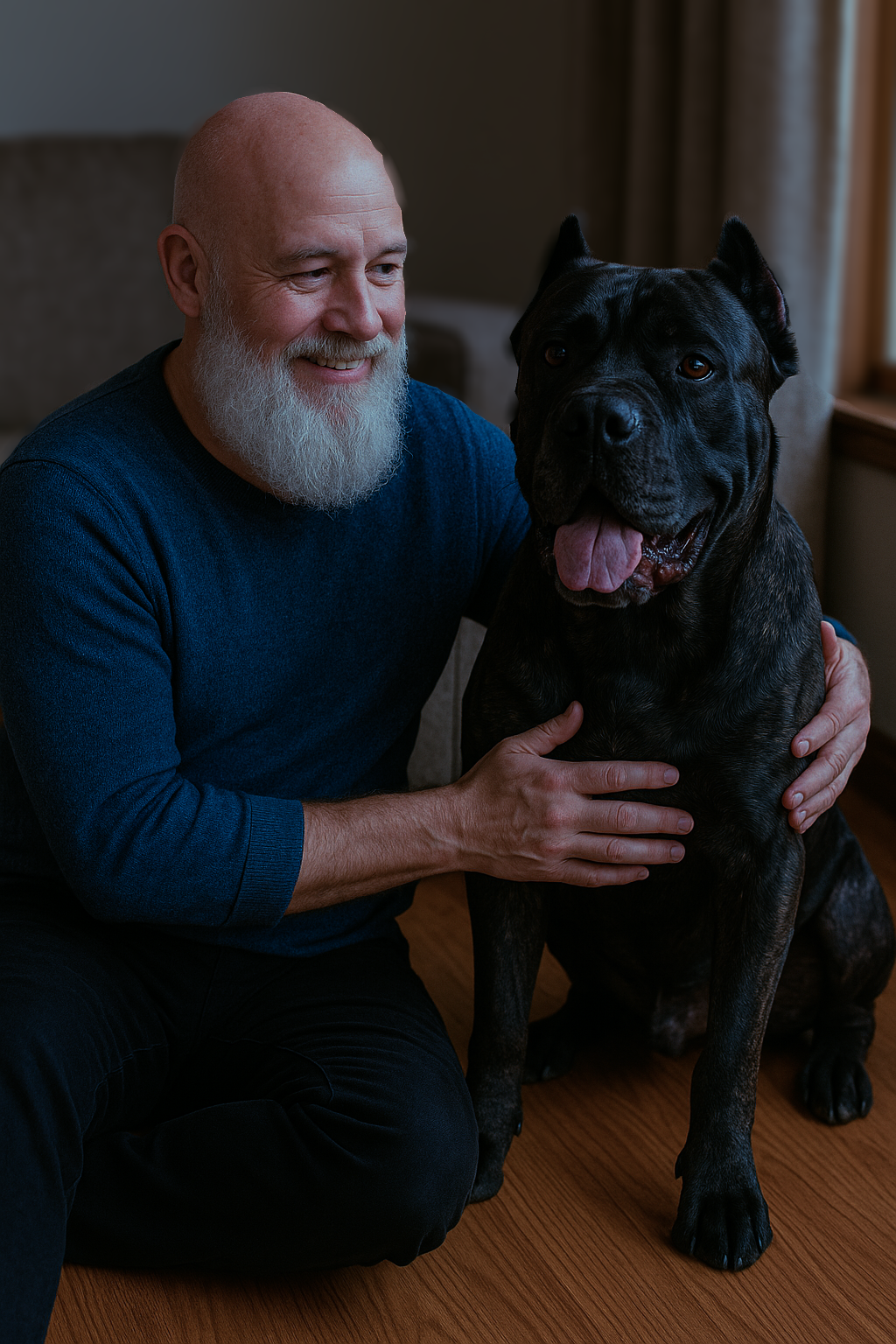
Every dog owner knows that Fido isn’t just a furry companion; he feels things deeply. It’s not your imagination when your pup perks up at your voice, gets excited by the sound of your car, or curls up in your favorite sweater when you’re gone. Dogs don’t just live in the moment—they remember. And when you step into their world as a long-term, live-in sitter, you’re not just a placeholder. You become part of their emotional framework.
Let’s unpack what dog memory really looks like, and why your presence as a consistent, 24/7 caregiver isn’t just convenient—it’s transformative.
How Dogs Remember
Dogs experience two main types of memory: short-term and long-term. Their short-term memory is fleeting—they might forget a command moments after you give it if it’s not reinforced. But their long-term memory? That’s where the magic happens. Dogs are masters of associative memory. They link smells, sounds, routines, and emotional experiences together in powerful ways.
Think of the crinkle of a treat bag, the rustle of your jacket, or your morning ritual of making coffee. These become part of the dog’s daily mental map. And if those patterns are consistent, they stick. Dogs also have an incredible sense of smell and sound recognition. Your scent and voice become not just familiar—they become comforting, grounding, and essential to how they experience the world.
Recognition Runs Deep
Dogs recognize their people through a mix of scent, sight, and sound. Scent is the strongest—far more nuanced than what we humans can comprehend. Even after long periods apart, dogs can light up the moment they catch a whiff of someone they bonded with. Voices matter too. Many dogs can distinguish their human’s voice from a group, responding with tail wags and happy dances even before they see you.
Visual recognition is secondary
Still powerful over time, especially with consistency. It’s not just your face—it’s how you walk, how you move, the way you lean down to scratch behind their ears. All of that becomes part of the memory web they weave around you.
Attachment Isn’t Just for Owners
Here’s where long-term sitters have a serious edge: attachment. Dogs form emotional bonds that mirror parent-child attachments. They seek out safe havens when they’re stressed, and they build trust through proximity and consistency. You don’t need to be the owner to become a bonded figure. You just need to be present, attentive, and emotionally available.
When you’re a live-in sitter, you do more than feed and walk a dog. You sleep near them, play with them, respond to their moods, and become a part of their safe space. Over time, they begin to look to you as a secure base—someone who helps them feel safe enough to relax, explore, and thrive.
Why 24/7 Matters More Than You Think Short-term visits or quick check-ins are fine for basic needs, but they don’t build lasting trust. A dog may tolerate a daily drop-in, but they’re not forming deep emotional connections with someone who disappears after 20 minutes.
Live-in, long-term care is an entirely different experience.
Here’s what sets it apart:
-
Routine Reinforcement: Dogs love routine. When you’re the one giving breakfast, leading the afternoon walk, and winding down with them at night, their world becomes predictable and calm.
-
One-on-One Attention: You’re not one of many in a busy kennel. You’re the person, the constant, the familiar presence they can count on.
-
Stress Buffering: Just like children reach for a parent in uncertain situations, dogs turn to their attachment figures. Thunderstorm? Stranger at the door? When you’re there, they cope better.
-
Home Advantage: Unlike boarding or daycare, in-home care keeps the dog in their own environment. The smells, furniture, sounds—it all stays the same. You’re the new layer of calm within an already safe space.
-
Deep Bonding Time: The more time you spend together, the stronger the bond. Play sessions, meal times, even just hanging out nearby all reinforce emotional connection.
Signs the Bond Is Real
Not sure if the dog sees you as more than just a temporary presence? Watch for these signs:
-
Excited greetings: Tail wags, zoomies, or whining when you return from even a short outing.
-
Seeking comfort: They come to you when scared or tired, nestling beside you or leaning in.
-
Obedience and engagement: They respond to your cues, stay near you, and check in during walks.
-
Calm when alone: Dogs with a strong bond to a sitter don’t spiral into separation anxiety when their owner leaves—they trust that you’ll be there.
Long-Term Sitters Leave a Lasting Impact
Here’s the truth: dogs don’t count time the way we do. A weekend, a week, a month—it’s all experienced in moments and memories. What they remember is how they felt. Were they safe? Were they loved? Was someone there who understood them?
As a long-term sitter, your job isn’t just to care for a dog’s physical needs. It’s to be the emotional constant. The person they look to with trust. And when you do it right, that memory lasts. They might not know your name, but they’ll never forget how you made them feel.
For pet parents considering care options, this matters more than you think. The right sitter isn’t just a convenience—they’re a temporary member of the family. And for dogs, that’s everything.
So yes, dogs remember. And when you show up for them day after day, with heart and presence, you don’t just earn their memory. You earn their love.
Book a Free Consultation