The Wellness Baseline
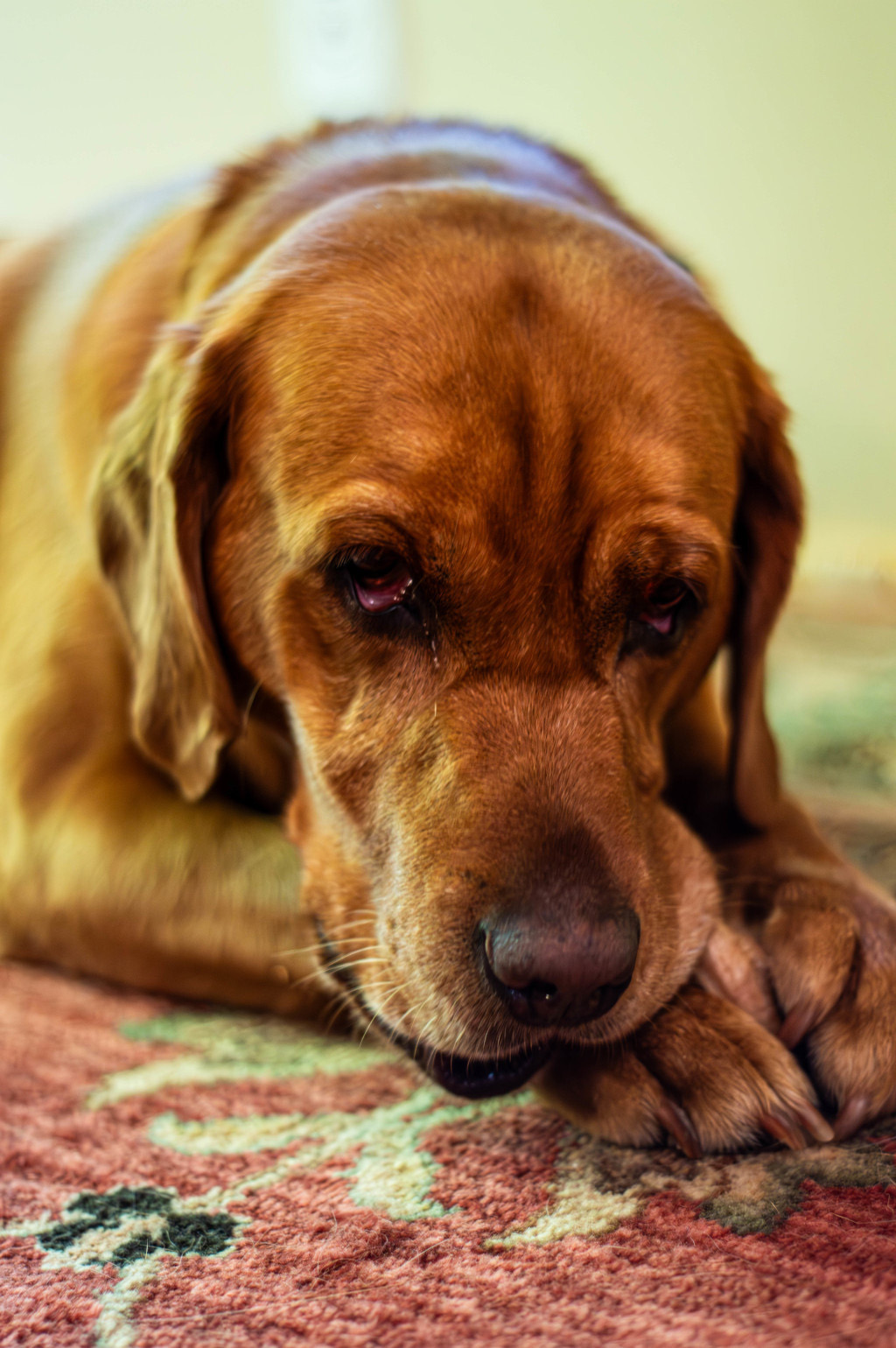
In a world obsessed with preventing the worst, we forget to notice the quiet presence of the best.
You don’t need a vet tech background or a stack of bloodwork to know if a dog is healthy.
You need a practiced eye.
You need presence.
You need to know what “healthy” feels like, before it ever looks like a symptom.
That’s the baseline of wellness. And if you miss it, you’re always playing catch-up.
The Myth of “Healthy Until They’re Not”
Most dog owners don’t notice something is wrong until a dog stops eating, starts limping, or vomits. We’re trained to wait for an event.
But that’s like waiting for the check engine light.
The truth is, dogs communicate long before crisis hits. They show us subtle shifts: in posture, sleep, appetite, behavior, breath. But unless we know their baseline, what healthy really looks like for this individual dog, we have nothing to compare it to.
And that leaves us reactive instead of responsive.\
It’s not about guessing. It’s about knowing, really knowing, what your dog’s everyday looks like. From the way they stretch in the morning to the sound of their sigh when they curl up at night. Wellness leaves a trail. We just have to learn how to read it.
What a Truly Healthy Dog Looks Like (and Feels Like)
Let’s start with the obvious: yes, a healthy dog should eat well, poop normally, and move comfortably. But that’s the floor, not the ceiling.
A well dog isn’t just functional. They’re vibrant. Steady. Tuned-in. There’s an ease in their body and a clarity in their engagement. A well dog is not just alive, they’re aligned.
Here’s what to look for in a dog with real wellness:
- Eyes are bright and clear, with no discharge or redness.
- Gait is smooth and rhythmic, not just limping-free, but balanced and confident.
- Breath is steady, not labored or shallow, even at rest.
- Sleep is consistent. Deep. No frequent waking or restlessness.
- Coat is smooth, not greasy or flaky. Skin is supple, not dry or bumpy.
- Elimination is regular, effortless, with stool that’s well-formed and consistent.
- Energy is present but not erratic, engaged with the world, able to rest without prompting. But the most overlooked markers of wellness are emotional:
- Does the dog engage willingly?
- Do they follow routines with ease?
- Are they curious about their environment?
- Can they relax fully in safe spaces? A well dog lives in rhythm with their surroundings. They’re not over-alert or withdrawn. They’re aware, but not reactive. Grounded, but not flat. That’s the emotional signal of health.
The Role of Routine in Monitoring Health
Consistency doesn’t just help dogs feel safe. It gives you something to measure against.
If you know that your dog always eats breakfast at 8 AM, and one morning they don’t? That’s data.
If you know they usually nap from 2-4, and suddenly they’re pacing? That’s a signal.
Routines expose changes.
And changes are the earliest signs of trouble.
A calm, observed routine is one of the most powerful wellness tools available to pet owners. It requires no cost, no tech, no supplement. Just time, attention, and presence.
The beauty of routine is that it reveals the subtleties: small appetite shifts, energy dips, unusual vocalizations. These clues tell you when to act, and when to wait.
Holistic Indicators of Wellness
Holistic care isn’t about crystals or coconut oil. It’s about the whole dog: physical, mental, emotional. Here are a few subtle signs your dog is thriving:
- They stretch deeply when waking up.
- They ask for connection without neediness.
- Their body is loose, not braced, even when resting.
- Their breathing slows when you enter the room.
- They engage in appropriate self-soothing (chewing, nestling, licking their bed).
These are signs of a nervous system at peace.
Not just free from disease, but free to rest.
Wellness isn’t just the absence of symptoms. It’s the presence of softness, spontaneity, and ease. Dogs that are thriving don’t just tolerate the day, they move through it with flow.
The Danger of Comparing Dogs
Every dog is an individual.
A high-energy Vizsla might pace and whine when under-stimulated. A senior Greyhound may sleep 20 hours a day and be perfectly well.
That’s why “normal” isn’t the benchmark. Your dog’s baseline is.
Pay attention to their unique rhythms. How do they wake? What does their appetite look like after a walk? How long do they engage before seeking solitude?
The better you know their normal, the faster you’ll spot their not-quite-right.
We do our dogs a disservice when we expect them to look like someone else’s definition of health. Comparison masks insight. Observation reveals it.
Behavior Is a Health Metric
A sudden change in behavior is never just a phase.
If your dog gets clingy, restless, avoids stairs, resists grooming, or even acts snappy, something is up.
Pain, discomfort, digestive upset, environmental stressors, all show up through behavior before they show up in labs or scans.
Treat behavior like you would swelling or a rash. Don’t wait for it to escalate.
Watch for these early flags:
- Sudden neediness or isolation
- Changes in vocalization
- Avoidance of favorite spaces
- Startling easily or being slow to respond Behavior is the language of wellness. Listen closely.
What Sitters, Walkers, and Professionals Should Know
If you’re a sitter or caregiver entering a dog’s life short-term, you don’t have access to their baseline.\ That’s why your observational skills must be razor sharp.
- Watch how they move in the first 10 minutes.
- Note eating and elimination habits daily.
- Be tuned to changes in breathing, posture, grooming.
- Listen to what isn’t said in the notes. What’s different from the last visit?
A great sitter doesn’t just keep a dog safe.
They track wellness like a silent steward.
And when something feels off, they don’t panic, they notice, document, and communicate clearly and calmly.
Don’t Wait for the Emergency
Wellness isn’t just prevention. It’s presence.
The goal isn’t to bubble-wrap your dog or run constant diagnostics. It’s to know them so well that when something is off, your instincts perk up before the problem blooms.
Too many pet owners become experts in their dogs only when they get sick. Learn them now.
Learn their walk, their breath, their eyes, their habits. Study them while they’re well.
Because that’s how you keep them that way.
Prevention starts with familiarity. It’s not dramatic. It’s daily.
Final Thoughts: Peace Is a Pattern
Health isn’t a moment. It’s a rhythm.
The healthiest dogs don’t live stress-free lives, they live with support, consistency, and attunement.
When you understand what well looks like, you stop chasing red flags.
You start building green foundations.
So take a moment today. Watch your dog.
Not because you’re worried.
But because you care enough to really know them.
Because a healthy dog doesn’t just look fine.
They live easy.
They exhale.
And you can too.