When They Grieve
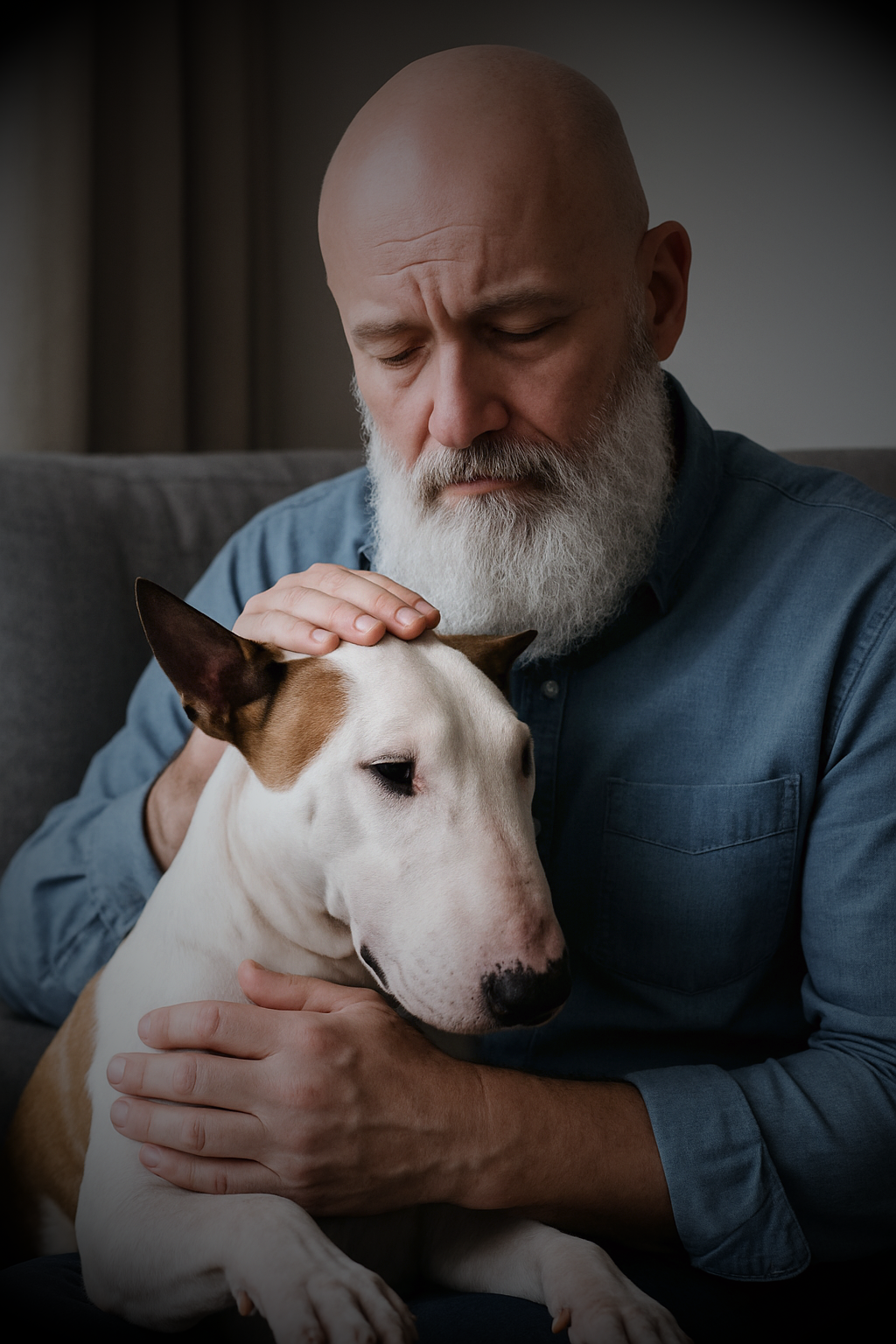
We often think of grief as a uniquely human experience. It’s something we associate with words, with rituals, with conscious mourning. But dogs grieve too, profoundly, though often silently. And as pet professionals or guardians, it’s our job to recognize that pain and meet it with the same care and respect we’d offer a grieving friend. At The Traveling Dog Sitter, I’ve been present for many moments of quiet heartache. Dogs who sleep by the door waiting for a departed owner to return. Dogs who sniff an empty bed and retreat. Dogs who act out, not out of defiance, but because they simply don’t know what else to do with the hole left behind. Grief in dogs is real. It is physical, emotional, and behavioral, and it deserves support. This blog explores how grief manifests in dogs, what science and observation tell us about their needs, and how emotionally aware, holistic care can support them through the transitions that upend their world.
Grief in Dogs: The Emotional Fallout of Change
Whether it’s the death of a beloved human, the passing of a fellow animal companion, or a major life upheaval, dogs feel the loss. They grieve routines, sounds, smells, relationships. And unlike us, they have no context to understand why things have changed. Their world simply shifts, and they are left to navigate the emotional fallout without explanation. According to a 2022 study published in Animals, 74% of dogs living with another canine companion displayed observable behavioral changes after that companion died. These changes ranged from decreased appetite and increased vocalization to disrupted sleep and overall depression-like symptoms. But it’s not just death that triggers grief. Life transitions, such as divorce, children leaving home, a family member moving out, or even prolonged absences, can cause similar emotional disorientation in dogs. They rely on predictable patterns and secure attachments. When those disappear, it can feel like the ground has shifted beneath them. Signs of grief in dogs can include:
- Lethargy or withdrawal
- Loss of appetite or changes in eating habits
- Excessive vocalization (whining, barking, sighing)
- Sleep disturbances
- Housetraining regression
- Pacing or lingering at exit points (doors, windows)
- Heightened clinginess or, conversely, increased isolation Each dog expresses grief differently, but the core issue remains the same: their internal rhythm has been disrupted. Their emotional safety net has been torn.
The Problem With Misreading the Signs
All too often, grief is mistaken for disobedience. A dog starts chewing furniture again, or refuses to eat, or seems suddenly “needy.” Inexperienced caretakers may respond with frustration or overcompensation, more toys, more treats, stricter discipline. But what these dogs often need isn’t distraction or correction. It’s acknowledgment. It’s emotional presence. When we fail to see the emotional root of behavioral shifts, we not only miss a chance to support healing, we risk compounding the confusion. A grieving dog doesn’t need to be “cheered up” or “trained out” of their sorrow. They need space, structure, and a compassionate witness.
How Emotional Presence Becomes Healing
In my work, I’ve found that the most powerful tool I bring to a grieving dog is my awareness. Not treats. Not toys. Not a bag of clever tricks. Just the ability to be there, grounded, calm, attuned, and steady. That presence means knowing when to adjust the pace of a walk. It means recognizing that a dog lingering near a closet isn’t just being “weird”, they’re remembering. It’s about mirroring their energy without mirroring their sadness. Because they need someone emotionally regulated to ground them, not someone to spiral with. As a live-in sitter, I become the continuity when the world shifts. I learn their rhythms. I note what comforts them, be it a spot of sun near the door, the way their person used to hum in the kitchen, or a familiar scent on a pillow. I replicate that where I can. I gently hold space where I can’t. And this presence isn’t passive. It’s active observation. It’s making subtle choices to reinforce safety and stability, because those things form the foundation for emotional recovery.
Holistic Tools That Help Dogs Through Grief
Not all grief can be solved, but it can be softened. And in my experience, combining practical routine with holistic, sensory-based care makes a real difference. Here’s how I help dogs navigate loss without overwhelming them:
- 1. Stabilize the Routine, But Lower the Demand Predictability is comfort. Keeping walks, feeding times, and bedtime on schedule gives the dog a framework in which to settle. But I also reduce expectations, shorter walks, slower transitions, more downtime. The goal is consistency, not performance.
- 2. Scent-Based Comfort Dogs interpret the world through scent. I encourage clients to leave unwashed clothing, blankets, or beds from a departed companion. It’s not about clinging to the past, it’s about giving the dog a gradual path to let go. Often, I’ll find them curled up beside that object, processing quietly.
- 3. Gentle Touch and Massage For dogs open to contact, slow, rhythmic petting or light massage along the shoulders and spine activates the parasympathetic nervous system, essentially telling the body, “You’re safe.” I avoid overstimulation and let the dog initiate contact.
- 4. Passive Observation Opportunities I’ll set up quiet window spots or porches where the dog can watch the world. This lets them engage mentally without pressure. The act of observing, the neighbor walking by, the breeze through trees, brings a surprising sense of calm to dogs in transition.
- 5. Holistic Calming Support Essential oils like lavender or chamomile (diffused safely and sparingly), herbal calming sprays, or natural supplements like L-theanine or CBD (under vet guidance) can ease physical anxiety symptoms. These aren’t cures, they’re support tools.
- 6. Narrative and Naming It might sound odd, but talking helps. I often narrate what’s happening: “I know your friend isn’t here right now. It’s okay to miss them.” Dogs don’t understand every word, but they understand tone and presence. Naming the change can be soothing, for them and for us.
What Dogs Teach Us About Grief
One of the most humbling parts of this job is realizing how honest dogs are with their emotions. They don’t suppress. They don’t pretend. They simply feel. And then they wait, for someone to sit with them in it. Watching a dog move through grief is a masterclass in presence. They remind us that silence can be comforting, that pacing by the door is part of mourning, that shared stillness can be healing. And they remind us, too, that grief changes, not disappears, but transforms. I’ve seen dogs begin to explore new rooms again, show interest in different toys, respond to new rhythms. It doesn’t mean they’ve forgotten. It means they’re integrating the loss.
When to Seek Additional Help
Sometimes, despite all the right efforts, grief lingers. If a dog refuses food for more than a couple of days, isolates entirely, or develops compulsive behaviors (excessive licking, pacing, destructiveness), it’s time to consult a veterinarian or canine behaviorist. These professionals can help rule out medical issues and offer targeted support. Sometimes pharmaceutical intervention is warranted. Other times, structured behavior therapy or emotional support from a trained professional makes the difference. It’s not weakness to ask for help. It’s compassion.
My Role As a Sitter: Holding the Middle
When a family loses someone, whether through death, separation, or distance, they often focus on their own grief, which is valid. But in the background, the dog is also mourning. They’re experiencing the absence with equal intensity and far less context. That’s where I come in. As a high-end, in-home sitter, I hold the emotional middle. I step into the space that loss created, not to fill it, but to soften the edges. I bring continuity where there is disruption. I listen, adjust, mirror, and support. Clients don’t always realize how much their dogs are feeling. Sometimes they do, and that’s when they call me. Because they want someone who doesn’t just walk and feed. They want someone who understands that dogs don’t just have emotions, they are shaped by them. Grief care is part of what I offer. Not as a bonus, but as a core competency.
Final Thoughts: Grief Shared Is Grief Softened
The next time your dog loses a companion, or their world shifts in some big way, don’t rush their healing. Don’t try to replace the void too quickly. Sit with them. Let them linger by the door. Let them rest where the scent is strongest. Give them what they gave you all along: presence. Grief is not a detour from life. For dogs, it’s a passage. And with the right care, it can be a passage to deeper resilience, trust, and connection. You don’t have to navigate this alone. Neither does your dog.
Book a Free Consultation