More Than a Warm Body
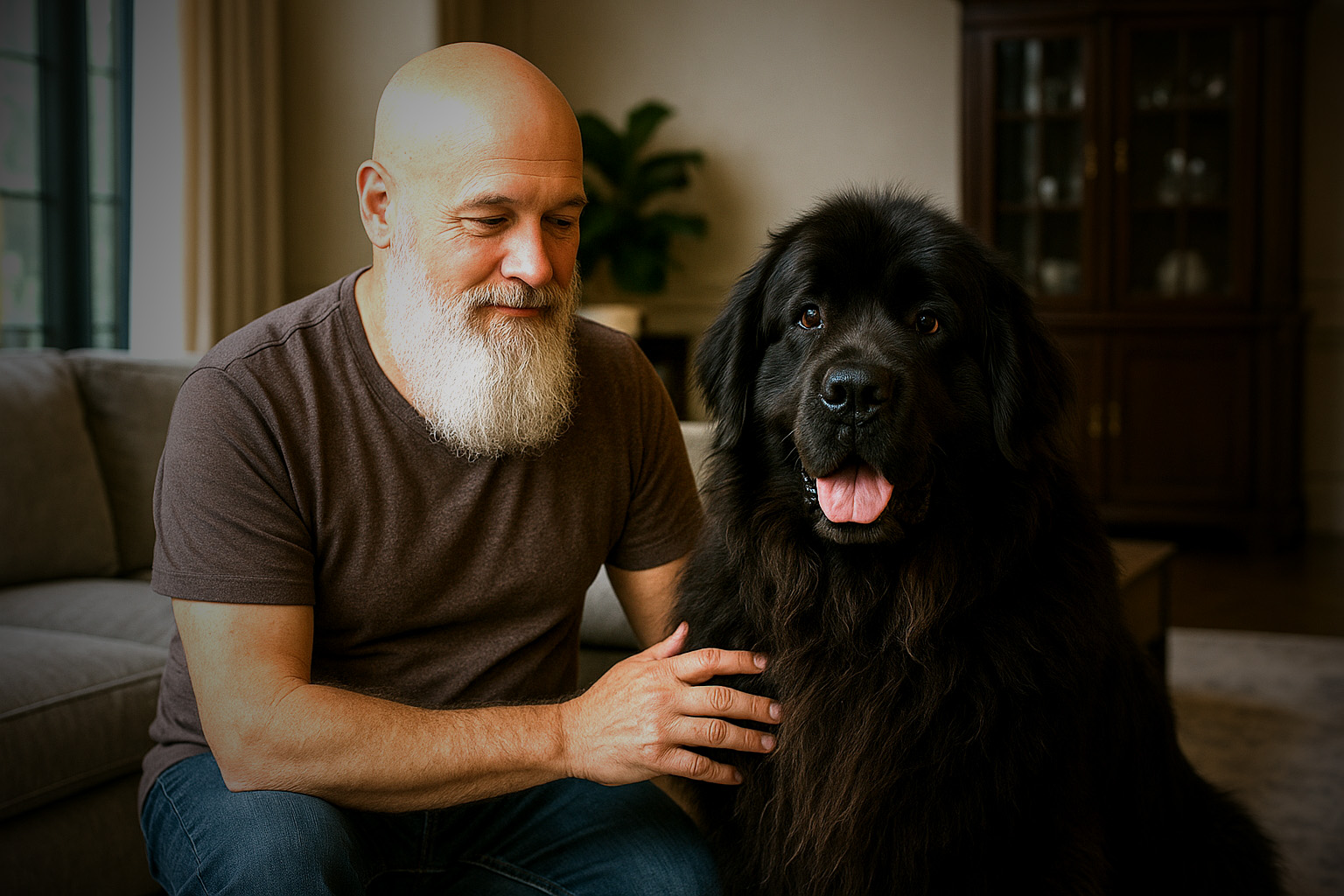
We all know what the basics look like: food in the bowl, water topped off, a couple of walks a day, and maybe a few pats on the head for good measure. That’s pet sitting, right? Not even close. If you’re hiring someone just to “be there,” you’re missing the point. And if you’re a sitter who thinks presence is enough without presence of mind, your clients - especially the four-legged ones - feel the difference. Because the truth is, dogs don’t just need company. They need attunement. They need someone who sees the subtle shift in their eyes before a storm rolls in. Someone who notices the way their gait changed slightly between Monday and Wednesday. Someone who understands that silence isn’t always calm, sometimes it’s withdrawal. This is the emotional labor of pet sitting. And it matters more than most people realize.
The Invisible Job No One Talks About
Let’s start with the term most people skip over: emotional labor.
Emotional labor means regulating your own emotional state while being present for someone else’s. In traditional jobs, it’s often used to describe nurses, teachers, therapists. But it belongs in pet care, too. You manage stress, theirs and yours. You bring calm when there’s chaos. You soften transitions. You build bridges made of trust.
Dogs don’t speak in words, but their body is fluent in a language that’s easy to miss if you’re just ticking off tasks. The lip lick when you reach for the leash. The sudden yawn after a doorbell rings. The way they position themselves between you and a new visitor. It’s all information. And if you’re not watching, you’re not really there. True pet sitting isn’t just logistical, it’s relational. It’s not just being a placeholder. It’s becoming part of the dog’s emotional landscape. A long-term, live-in sitter doesn’t just show up; they imprint.
Presence vs. Attunement: Know the Difference
Let’s get one thing straight: just because someone is in the room doesn’t mean they’re available.
- There are plenty of sitters who do the rounds and still leave the dog lonely. Why? Because they’re physically there but emotionally checked out. The TV is on, the phone is glowing, and the dog might as well be invisible.
- Dogs know. They feel your energy. They track your movements. They know if you’re dialed in or distant. Attunement is the difference. It’s the skill, and yes, it is a skill, of sensing what the dog needs in real time and adjusting your energy to meet them there. A dog who’s pacing doesn’t always need a walk.
- Sometimes they need grounding. A dog who’s curled up tightly in a corner might not be sleepy, they might be overwhelmed.
An attuned sitter doesn’t guess. They watch. They learn. They adjust.
Emotional Intelligence for Pet Sitters: Why It Sets You Apart
We throw the phrase “emotional intelligence” around a lot when talking about humans, but let’s talk about what it means for sitters.
High emotional intelligence in pet sitting looks like:
- Reading canine body language without needing to be told
- Managing your own energy to remain calm and non-reactive
- Providing a safe space without crowding or overwhelming
- Knowing when to step in and when to back off
- Recognizing subtle changes in behavior that could indicate emotional distress
This is what separates the hobby sitter from the professional. Emotional intelligence isn’t an extra, it’s the core of premium care. It’s what allows a dog to settle faster, eat better, play more, and stress less.
How Dogs React to Grounded, Consistent Humans
Here’s the part pet parents always underestimate: your dog mirrors you. If you’re nervous, they’ll pace. If you’re calm, they’ll breathe. If you’re chaotic, they’ll spin out.
Dogs are sensitive, intuitive creatures. Their nervous systems are wired to detect subtle cues from humans, from scent changes that indicate stress, to micro-expressions on your face. You might think you’re hiding it well, but your dog knows.
That’s why sitters who bring calm, steady energy are worth their weight in gold. It’s not about being emotionless; it’s about being stable. Dogs relax into consistency. They blossom when they feel safe. And that sense of safety? It starts with the sitter’s state of mind.
Real-Life Awareness Moments: Why They Matter
Let me tell you what emotional presence looks like in the field:
- A sitter notices a dog licking their paws more than usual. Instead of brushing it off, they check for redness and catch an early skin infection before it spreads.
- A dog stops eating with their usual gusto. The sitter doesn’t panic, they observe, offer food in a different room, and realize the dog is avoiding the kitchen because of a scary sound from a new appliance.
- A sitter wakes up at night because the dog is pacing. Rather than ignoring it, they follow the dog to the back door, let them out, and prevent an accident that would have created anxiety for the pet.
These aren’t heroic moments. They’re just what happens when you’re really there.
Holistic Pet Care: Body, Mind, and Mood
Luxury pet care isn’t about pampering. It’s about precision. Knowing what the dog needs in the moment, and meeting that need fully. Holistic care means considering emotional, physical, and environmental well-being together. That’s why the best sitters don’t just walk the dog, they adjust pace based on energy. They don’t just offer food, they notice if the dog circles the bowl or sniffs and walks away. They also understand that calm touch, regulated breathing, scent routines, and even the sitter’s posture can make a difference. You don’t need Reiki certification (though I have it). You just need awareness.
Why This Matters for Pet Parents
If you’re a pet parent reading this, here’s what I want you to know: Your dog’s emotional experience matters.
Not every sitter is created equal. The person you hire should do more than show up. They should read your dog. They should understand that quiet doesn’t always mean content. That energy matters. That presence is an active thing.
So ask your sitter how they handle nervous dogs. Ask if they’ve ever noticed early signs of discomfort. Ask if they know what “whale eye” means. You’re not being picky. You’re being responsible.
Final Thoughts: More Than Just a Body in the Room
In the world of premium pet care, emotional presence isn’t a bonus. It’s the baseline.
The best sitters are quiet observers, calm presences, consistent anchors. They become part of your dog’s emotional safety net, not by force, but by being exactly what the dog needs in that moment: attentive, grounded, compassionate.
So yes, anyone can feed your dog. Anyone can walk them around the block. But not everyone can see them. Not everyone can make them feel seen. And when you find someone who can? That’s the sitter you never want to lose.
Book a Free Consultation