The Morning Report
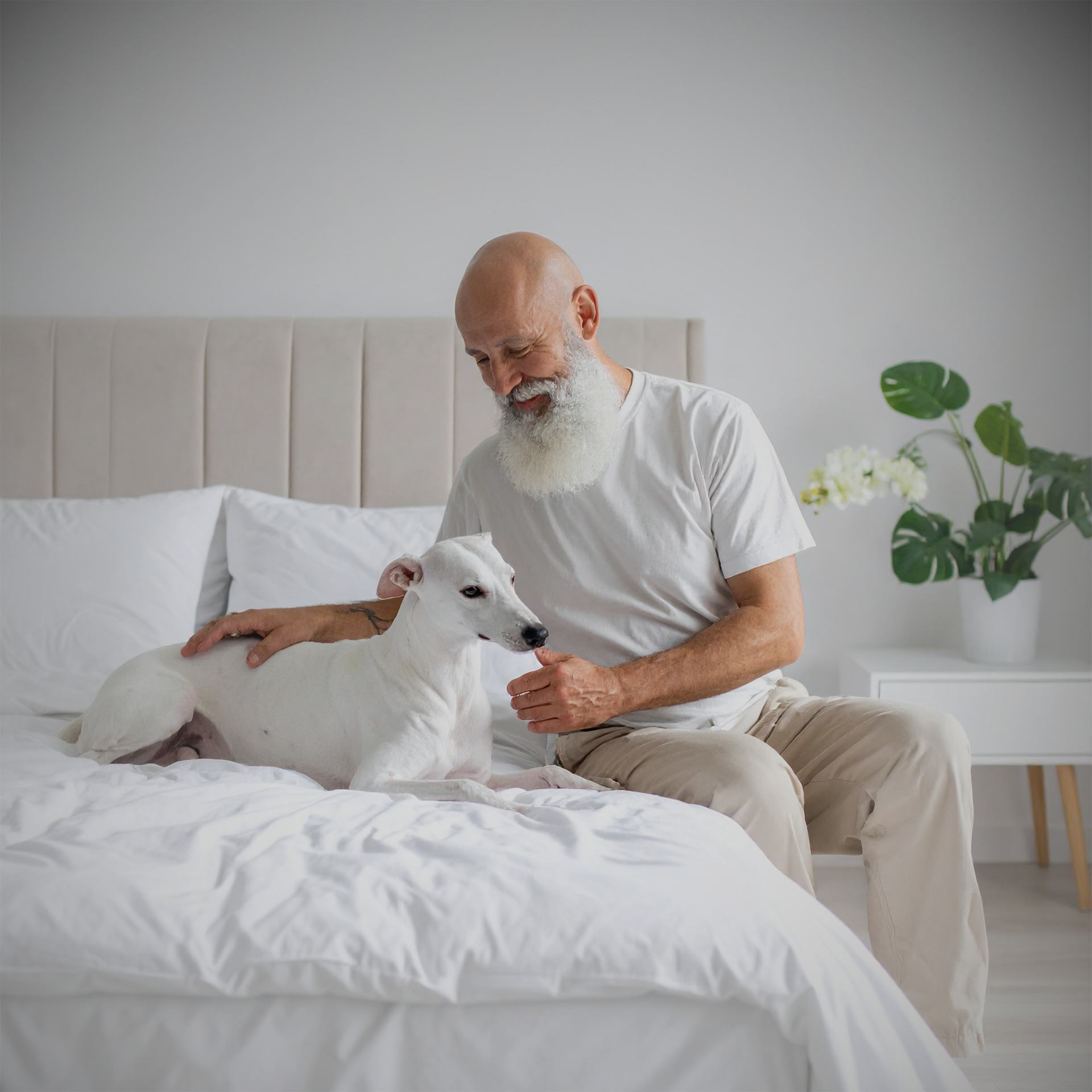
At The Traveling Dog Sitter, my work doesn’t start with a walk or a bowl. It begins in silence. The moment between the last dream and the first step into daylight is where dogs reveal who they truly are. There’s no performance, no expectation, just presence. If you know how to observe, those first ten minutes will tell you more than any vet record or behavior history ever could. Dogs are raw and real when they wake up. Their movement, breath, eye contact, even the way they greet you, or don’t, offers a real-time snapshot of their emotional, physical, and mental state. Most people miss it entirely. But that quiet data is where the best care starts. As a full-time live-in sitter, I get the privilege of waking up alongside my clients’ dogs. There’s no commute, no hand-off. I’m there for the blink, the yawn, the morning shuffle. And what I see in those early moments shapes how I handle everything else that day.
Why Morning Matters More Than You Think
Mornings are when dogs are at their most honest. They haven’t adjusted to your energy yet. They’re not responding to cues or reacting to the environment. They are simply themselves. This is when patterns show themselves, and when changes become obvious. A dog who normally greets you with enthusiasm but hangs back? That’s not just a mood. That could be pain. Or anxiety. Or the emotional hangover from a rough night. Likewise, a dog who races to the door when they usually take their time might be over-aroused or struggling to ground themselves. Reading dogs isn’t about analyzing every movement. It’s about watching without interference. It’s giving them space to show you what they’re carrying today.
A Professional’s Morning Observation Checklist (But Not Really a Checklist)
I don’t carry a clipboard. But I do carry mental notes. Here’s what I track:
1. Physical Movement
- How do they rise? Are they slow or springy?
- Do they stretch naturally, or does movement seem forced?
- Are their paws placed confidently or cautiously?
- Any favoring of limbs or dragging feet?
2. Emotional Presentation
- Do they seek me out immediately or keep distance?
- Is their gaze soft and relaxed or darting and alert?
- Are they vocal (whines, grumbles, barks)?
- Do they show clinginess or aloofness?
3. Energy Level
- Do they flop back down, clearly still tired?
- Are they hyper-focused and ready to go?
- Is their excitement smooth or frenetic? All of this tells me one thing: how should I meet them today? There is no one-size-fits-all protocol in luxury in-home dog care. Some days a dog needs extra touch. Some days they need stillness. Some days they need space. The first ten minutes tell me which one.
Decoding the Details: Specific Behaviors That Speak Volumes
Let’s dive into what those signals might actually mean. Think of these as data points in a larger conversation:
Tail Talk
- A tail held low but wagging softly? Content.
- A stiff, upright tail with no wag? Alertness, possibly anxiety.
- A tucked tail? Fear or pain.
Stretching Patterns
- A full body bow stretch followed by a shake-off is grounding. Dogs are releasing tension.
- Repeated yawns or excessive licking? These are calming signals, often signs of mild stress.
Body Language
- Ears back and flat: submission, nervousness.
- Ears forward and pricked: alert, sometimes overstimulated.
- Loose body + soft eyes = relaxed dog.
- Stiff posture, dilated pupils, mouth closed tight? That dog’s not ready yet.
Behavioral Shifts
Dogs are creatures of rhythm. They do what feels good and avoid what doesn’t. Any disruption in that pattern deserves attention:
- Did they skip a stretch they always do?
- Did they ignore the water bowl?
- Are they unusually quiet, or unusually vocal? These aren’t red flags on their own, but they’re yellow ones. I take notes. If two or three align? That’s worth slowing down and reassessing.
Emotional Patterns That Show Up in the Morning
Dogs grieve. They get anxious. They carry emotional energy just like we do. And like us, they’re often most vulnerable in the mornings. They haven’t had a full day of distraction or stimulation yet. What they wake up with is often the rawest emotion they’ve got. I’ve had dogs wake up and go to the door and wait, for a person who isn’t coming back. I’ve had seniors who rise disoriented, blinking slowly, unsure where they are. That’s when I don’t rush the process. Instead, I:
- Sit quietly nearby and let them approach.
- Speak softly if I speak at all.
- Offer scent-based grounding (a worn shirt from their owner, or a lavender calming aid).
- Mirror their body language (sitting low, facing sideways, showing no pressure). These responses aren’t in a manual. They’re the product of being emotionally present. That’s what separates a sitter from a companion.
Customizing the Morning Routine: Matching Their Energy
Some dogs bounce. Some loaf. Some sprint to the door like it’s Black Friday. Here’s how I adjust based on the mood:
1. The Sleepy Wanderer
For dogs who wake slow and heavy:
- I allow extra time before asking anything of them.
- I wait until they move on their own before offering food or suggesting a walk.
- I may massage their hips or shoulders gently, especially if they’re older.
2. The Over-Eager Bolt
For dogs who seem manic on waking:
- I channel that energy into short, focused activity: puzzle feeders, a mini scent game.
- I don’t leash them and head straight out, otherwise they blow out early and crash.
3. The Watchful Observer
For dogs who seem uncertain:
- I give them back control. Let them decide when to interact.
- I avoid direct eye contact and high-pitched talking.
- I use my own calm body to model how to settle into the space.
The Emotional Impact of Being Seen
Dogs know when you’re paying attention. And they know when you’re faking it. The gift of presence is especially valuable in the morning because it sets the tone. When a dog feels seen, accurately seen, they settle faster. They trust more. They engage more willingly. This is how I build trust that lasts for weeks. Sometimes, in just ten minutes.
Pet Parent Takeaway: How You Can Use This at Home
You don’t have to be a sitter to do this. Here’s what you can try tomorrow:
- Don’t speak the moment you see your dog. Watch instead.
- Let them wake fully before rushing them outside.
- Take mental notes. What’s different today?
- Let them tell you when they’re ready for the day. A quiet minute on the floor is worth ten loud ones at the bowl. Trust me.
Closing Thoughts: The Sacred Start
These ten minutes don’t seem like much. But to your dog, they’re everything. It’s the first time they reconnect with the world around them. If you greet them with attention, softness, and curiosity, you give them the greatest gift: being understood. You don’t have to be a trainer. Or a healer. Or a sitter. You just have to be present. So tomorrow morning, meet your dog where they are. Not where you expect them to be. That’s when the real connection begins.
Book a Free Consultation