Premium vs. Trust Economy
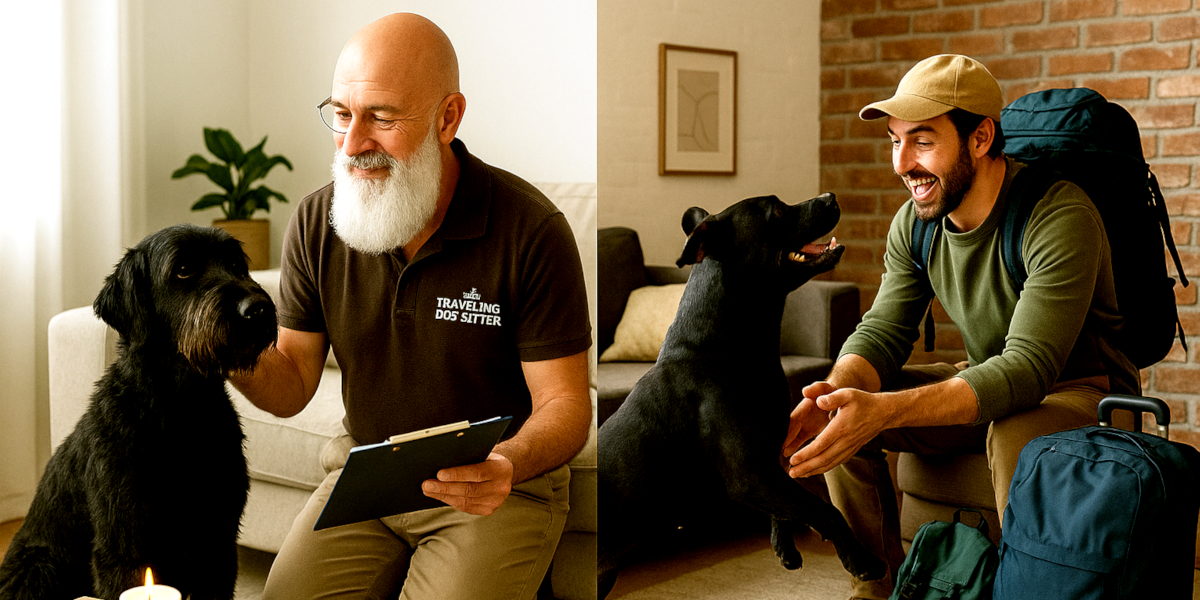
In-home pet sitting has evolved into a billion-dollar industry, but as it grows, so does the debate: should pet owners hire a paid professional or rely on the “trust economy” through house-swapping platforms? Both options promise pet care, peace of mind, and convenience—but they couldn’t be more different in practice.
As a professional in-home pet sitter, I’ve seen this divide up close. I know clients who swear by high-end, paid services and others who prefer the free exchange model. So, let’s unpack the pros, cons, and realities of each, so you can decide what’s best for your pet, your home, and your peace of mind.
The Rise of Paid, Professional In-Home Pet Sitting
The demand for premium pet care is booming—and for good reason. Hiring a paid, professional in-home sitter means entrusting your home and beloved pet to someone accountable, insured, and often trained for the job. It’s not just about feeding the dog and watering the plants; it’s about continuity, reliability, and expertise.
Why People Pay for Pet Sitting:
-
Accountability: Paid sitters operate like any professional service. There are contracts, expectations, and often background checks.
-
Insurance: Many professional sitters carry liability insurance or bonding, protecting both parties if something goes wrong.
-
Continuity of Care: Pets thrive on routine. Paid sitters often have structured schedules to maintain your pet’s comfort.
-
Specialized Experience: Some sitters specialize in senior pets, large breeds, medical needs, or behaviorally complex animals.
Clients who invest in premium sitters do so for peace of mind. Whether it’s managing a high-maintenance property, providing specialized care, or simply ensuring your pet gets undivided attention, paying for a sitter offers clear benefits—but it comes at a price.
Depending on your location and service level, daily rates can range from affordable to downright luxury. Think $100 to $250 per day, with some elite sitters charging even more for extensive duties or premium services like dog training or Reiki (yes, energy work for dogs is a thing).
For many pet parents, especially those with fragile or expensive pets, it’s a worthwhile investment. You’re not just paying for time—you’re paying for peace of mind.
The Trust Economy: House-Sitting Platforms and Free Exchanges
On the flip side, the trust economy has reshaped how people handle pet care—especially for longer trips. House-sitting platforms connect pet owners with travelers willing to stay in their home, care for pets, and often handle basic household duties—all in exchange for free accommodation.
Why People Use House-Swapping Platforms:
-
Cost Savings: There’s no monetary exchange beyond possible membership fees for the platform.
-
Cultural Exchange: Many enjoy the experience of welcoming travelers and connecting with new people.
-
Home Security: An occupied home is less vulnerable to break-ins or maintenance issues.
-
Pet Comfort: Pets stay in familiar surroundings with minimal disruption.
For sitters, it’s an appealing lifestyle. Travelers save thousands on accommodation while experiencing new places. For owners, it’s a budget-friendly solution—and in many cases, pets still get loving care.
But make no mistake—this model is built on trust, not contracts. There’s often no formal agreement, no guarantees, and no insurance backing the arrangement. While most experiences go smoothly, horror stories exist—from sitters abandoning posts to owners springing unexpected duties (“Can you also take care of our chickens and the garden?”).
The trust economy thrives on reviews, references, and mutual goodwill. But if something goes wrong, recourse is limited.
The Controversy: Trust vs. Professionalism
Here’s where the debate heats up. Many professional sitters (myself included) believe our work—and the value we bring—goes beyond “free rent.” Caring for animals, managing homes, and providing reliable service is a job—and it deserves compensation.
Some house-sitting advocates argue they’re providing a fair exchange: free lodging for quality care. But pros often point out the hidden costs—transportation, time, responsibility—that can make “free” gigs costly for the sitter.
For pet owners, it boils down to priorities:
Do you want guaranteed accountability and specialized expertise?
Or are you comfortable relying on references and goodwill?
There’s no universal right answer—but understanding the differences helps.
The Rise of Luxury Pet Sitting
Beyond the basic “paid vs. free” debate lies another growing trend: luxury pet sitting.
High-end clients increasingly demand more than food bowls and potty breaks. They want spa-level services for their pets—think gourmet meals, massage, Reiki, enrichment activities, and detailed care plans.
Luxury pet sitting isn’t for everyone—but for discerning clients with the means, it’s a booming market. And yes, rates can climb into the hundreds per day for concierge-level services.
This niche market underscores a key truth: premium care comes at a price, but for many pet owners, their peace of mind—and their pet’s wellbeing—is priceless.
House-Sitting Platforms: The Reality Check
While house-sitting exchanges can work beautifully, they come with real considerations:
-
Vet Carefully: Read reviews, interview sitters, and be clear about expectations.
-
Prepare for Flexibility: Travel sitters may have varied experience levels—from seasoned pros to first-timers.
-
Backup Plans Matter: What happens if the sitter cancels last minute? Paid pros often have contingencies—exchanges may not.
-
Understand the Risk: Without contracts or insurance, disputes can be harder to resolve.
That said, many homeowners have glowing experiences with exchange-based sitters—especially for long vacations or when budget is a priority.
Blending the Models: Can You Have Both?
Interestingly, many sitters—myself included—operate across both models. I’ve taken paid jobs that required high-level care—and I’ve done trust-based sits while traveling.
The key? Transparency, clear expectations, and aligning with your comfort zone.
For example, some owners hire paid sitters for high-risk situations—elderly pets, medical needs, or complex homes—and use house-swapping platforms for simpler gigs.
Others transition from trust-based sits to paid services as their needs evolve—especially as they discover the peace of mind a professional brings.
Choosing What’s Best for You (and Your Pet)
Ultimately, the decision rests on what you value most:
Choose Paid Professional Pet Sitting If:
-
You want accountability, insurance, and reliability.
-
Your pet has medical, behavioral, or special needs.
-
You’re traveling for short periods or need high-level service.
-
You value clear contracts, credentials, and guarantees.
Consider House-Sitting Exchanges If:
-
Budget is your primary concern.
-
You enjoy cultural exchange and meeting travelers.
-
Your pets are low-maintenance and adaptable.
-
You’re comfortable vetting sitters and accepting some risk.
There’s no one-size-fits-all answer — only what aligns with your lifestyle, your pet’s needs, and your comfort level.
Final Thoughts: Respect the Work, Protect Your Pets
As a traveling dog sitter, I’ve seen it all—luxury sits with five-star expectations, trust-based exchanges that felt like family, and everything in between.
What matters most is respecting the work—whether it’s a paid pro or a trusted exchange—and ensuring your pets are safe, happy, and cared for.
The pet-sitting world is evolving. Premium services, trust-based platforms, and luxury options all have their place—it’s up to you to choose wisely.
Sources:
Insights derived from industry trends, professional experience, and pet care resources across trusted websites including:
thetravelingdogsitter.com
washingtonpost.com
travelswithmelinda.com
reddit.com
Looking for reliable, high-end in-home pet care? Let’s talk. Because your pets deserve the best—and so do you.
Book a Free Consultation