What Happens When You Never Leave
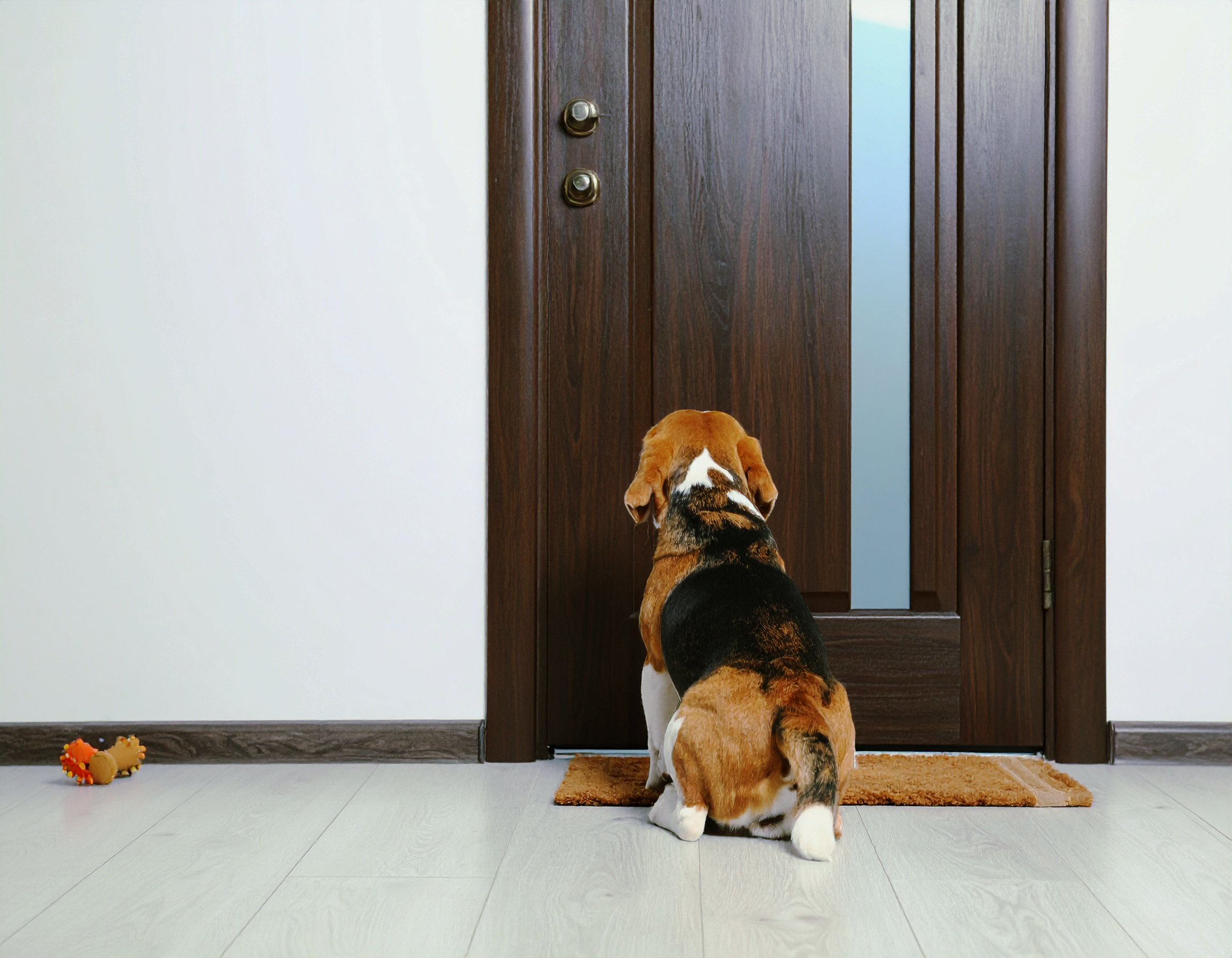
Your dog knows when you’re gone. But what happens when they never had to be alone—until suddenly, they were?
We thought we were doing right by our dogs. We stayed home. We loved them hard. We kept them safe from the world. Whether it was because of a global pandemic or a personal desire to protect them, we created lives of constant closeness—24/7 companionship where our dogs were never truly alone. And on the surface, it seemed perfect.
But now, we’re seeing the cracks.
Dogs who can’t be left for five minutes without spiraling. Dogs who melt down at the sight of another dog. Dogs who are deeply loved—and deeply underprepared for real life.
This isn’t just about COVID dogs anymore. It’s about a cultural shift that unintentionally left our pets socially and emotionally stunted. Let’s talk about it.
The Pandemic Bubble: A Warped Dog Life
When the world shut down, something changed in our homes. The streets went quiet, but inside, dogs were suddenly surrounded by a level of presence they had never experienced before. Owners worked from home, children were out of school, routines revolved around the household. And for many dogs, it was the closest thing to heaven on Earth.
Every walk was a shared adventure. Every moment on the couch was a cuddle session. Every Zoom call included a tail-wagging shadow just out of frame. Dogs thrived on the closeness. And for humans coping with uncertainty, our dogs became our lifeline too.
But while we thought we were giving them love, we were also unintentionally warping their experience of the world. The dogs born or adopted into this time had no reference point for independence. They didn’t experience neutral interactions with other dogs or strangers. They didn’t spend time alone in the house or learn how to self-soothe through small stretches of solitude. Their lives were deeply intertwined with ours—until suddenly, they weren’t.
As we reentered the world, our dogs were left behind—emotionally confused and behaviorally brittle. That’s when the meltdowns began.
The Overprotective Owner Mindset
Even outside the pandemic context, I’ve met many dogs who live in emotional isolation. Dogs who never leave the house unless it’s to visit the vet. Dogs who aren’t allowed to sniff another dog on the sidewalk. Dogs who have no contact with anyone but their person.
And this isn’t about neglect. Quite the opposite. These dogs are adored. They are called fur babies and dressed in sweaters and celebrated on Instagram. But somewhere in our love, we confused protection with limitation. We built walls to keep the world out, and in doing so, prevented our dogs from ever fully developing the tools they need to navigate it.
A dog who never meets other dogs doesn’t learn canine body language. A dog who never hears the blender or the garbage truck doesn’t learn noise tolerance. A dog who is never allowed to be alone doesn’t learn to trust that absence doesn’t equal abandonment.
There is a line between loving your dog and limiting them. And we cross it more often than we realize.
The Cost of Emotional Bubble Wrap
Let’s be honest: most modern dogs are not lacking in affection. What they’re lacking is exposure. And while some dogs might seem perfectly happy never leaving the house, that doesn’t mean they’re okay. Often, it means they haven’t been given the opportunity to build confidence or resilience.
Here’s what I see over and over:
- Dogs who panic when their person walks out to get the mail.
- Dogs who tremble at the sight of a stroller or suitcase.
- Dogs who lunge at every dog they see because they don’t know how to say hello.
- Dogs who bark and cry for hours the moment their person leaves.
These aren’t bad dogs. These are under-practiced dogs. Dogs who never got to try, fail, recover, and learn.
We’ve created a generation of pets that are emotionally tender, like puppies who never finished growing up. And now that real life has returned—with its meetings, flights, visitors, and errands—they don’t know how to cope.
Why Dog Parks Aren’t the Fix
One of the biggest mistakes I see is people trying to correct years of isolation with immediate immersion. They take their dog, who hasn’t seen another dog in months, to a busy dog park and expect it to go well.
It rarely does.
Dog parks, while well-intentioned, are often full of mismatched energy. You have puppies trying to play with seniors, anxious dogs avoiding pushy ones, and owners distracted on their phones. The result? Overwhelm, aggression, and trauma.
If your dog is struggling with socialization, the answer is not “more dogs.” It’s better dogs. It’s slow introductions. It’s supervised play. It’s understanding your dog’s signals and honoring their comfort zone.
I’m not against socialization. I’m against chaos. And in most cases, a dog park is chaos.
Real Socialization, Real Life
So what does healthy exposure look like?
It looks like a walk in a quiet neighborhood with a balanced dog friend. It looks like a training class where the emphasis is on calm, structured interaction. It looks like stopping for a puppuccino and letting your dog watch the world from a distance.
It also looks like playdates with trusted friends, hikes with familiar people and dogs, or just sitting on a park bench letting your dog observe joggers, kids, bikes, and birds. These moments seem small, but they stack. They teach your dog that the world is not a threat.
Even time alone is a form of training. Ten minutes here. Thirty minutes there. An hour. A morning. Small stretches of absence that teach your dog, “You are safe even when I am not here.”
Where I Come In
I’m a live-in pet sitter. That means when you leave, I don’t just stop by. I move in. I become the quiet presence in your dog’s space. Not to replace you, but to gently fill in, with a calm, grounding energy that gives your dog permission to relax.
Some of the dogs I care for have never known another human staying in their home. At first, they hover. They follow me everywhere. They watch the door.
But slowly, something changes.
They begin to lie down in another room. They eat without coaxing. They walk beside me instead of tugging ahead. They realize that change doesn’t mean danger. That new people can be kind. That their world is bigger than one person.
And sometimes, I’m the first step in their journey back to balance.
Letting Go of the Guilt
I never blame the owner. This isn’t about guilt. This is about reality. We lived through an unprecedented time, and we coped the best we could. For many people, that meant holding their dogs close and never letting go.
But now? Now it’s time to open the door—slowly.
- Let your dog try.
- Let them wobble.
- Let them meet someone new.
- Let them be alone for a bit.
- Let them be dogs.
They won’t get it right every time. That’s okay.
The important thing is that we start.
And when you’re ready to take that first step but can’t be there yourself, I can be. I bring more than just presence—I bring patience. I bring understanding. I bring a sense of calm that helps your dog feel safe while also learning to let go, just a little.
Because freedom, like trust, is built in small, steady moments.
And every dog deserves that chance.
Book a Free Consultation